Introduction

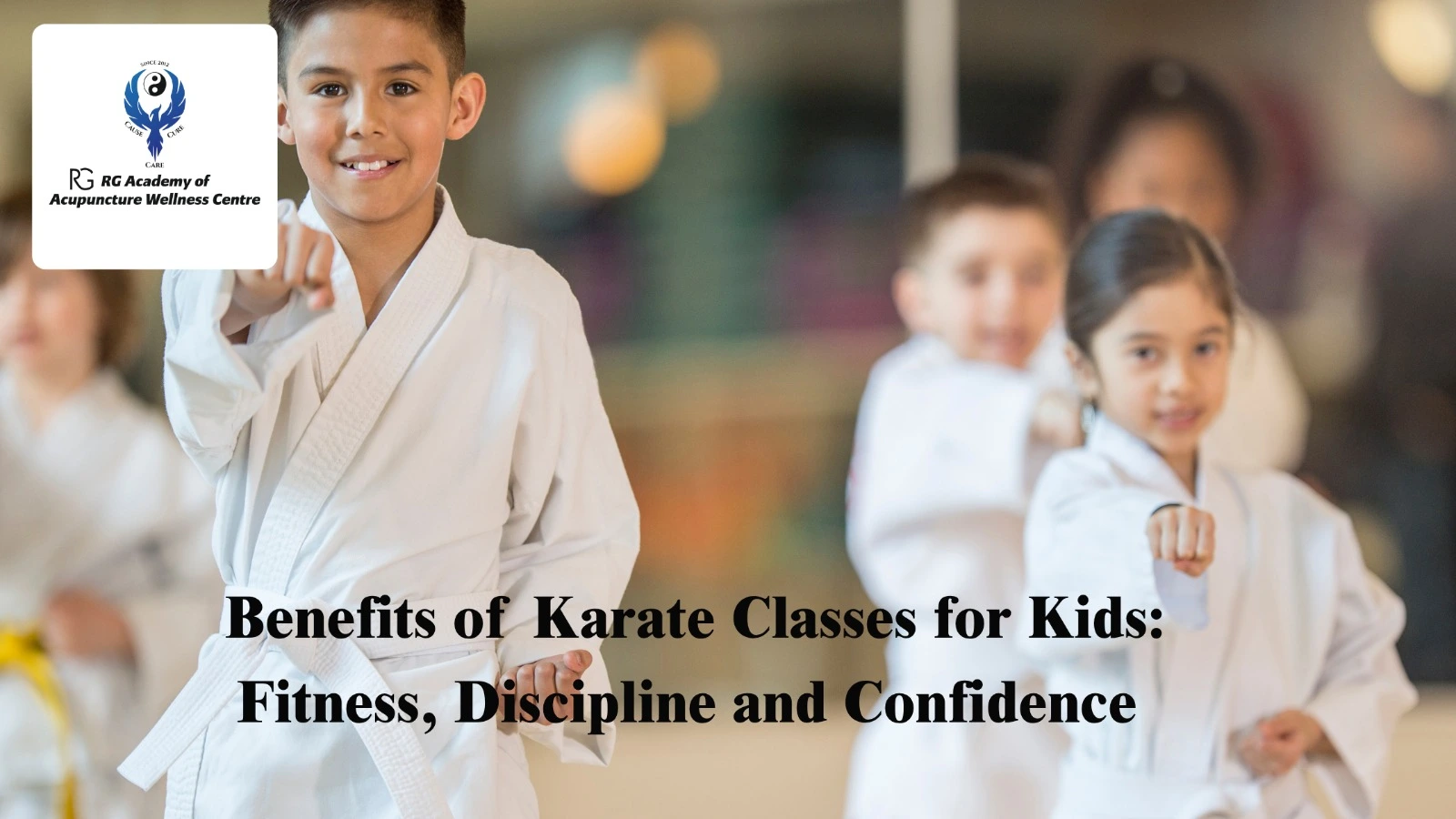
A child who finds it hard to concentrate, feels afraid to share opinions or stops trying when something takes effort may not benefit from being pressured further. A structured activity can instead help children practise patience, effort and self-confidence through experience. This is where karate can help.

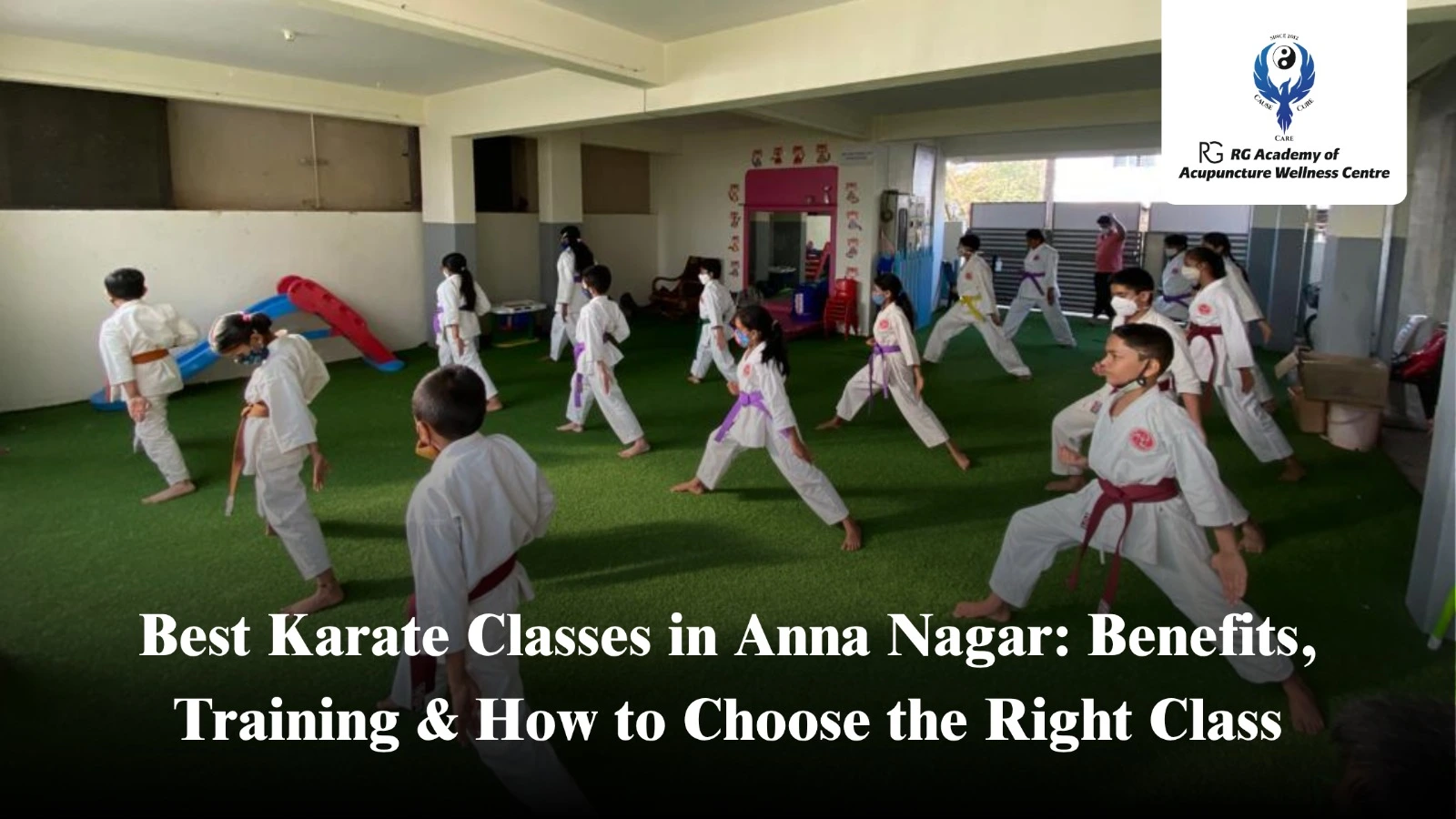
If you are considering Karate Classes for Kids, remember that training can offer more than self-defence techniques such as punching and kicking correctly. Children can also practise routines, respect, goal-setting and persistence, even when progress is slow.

Every child responds differently. Some may become more willing to participate in activities, while others may learn to manage their actions and pay closer attention to instructions.

Contact Us
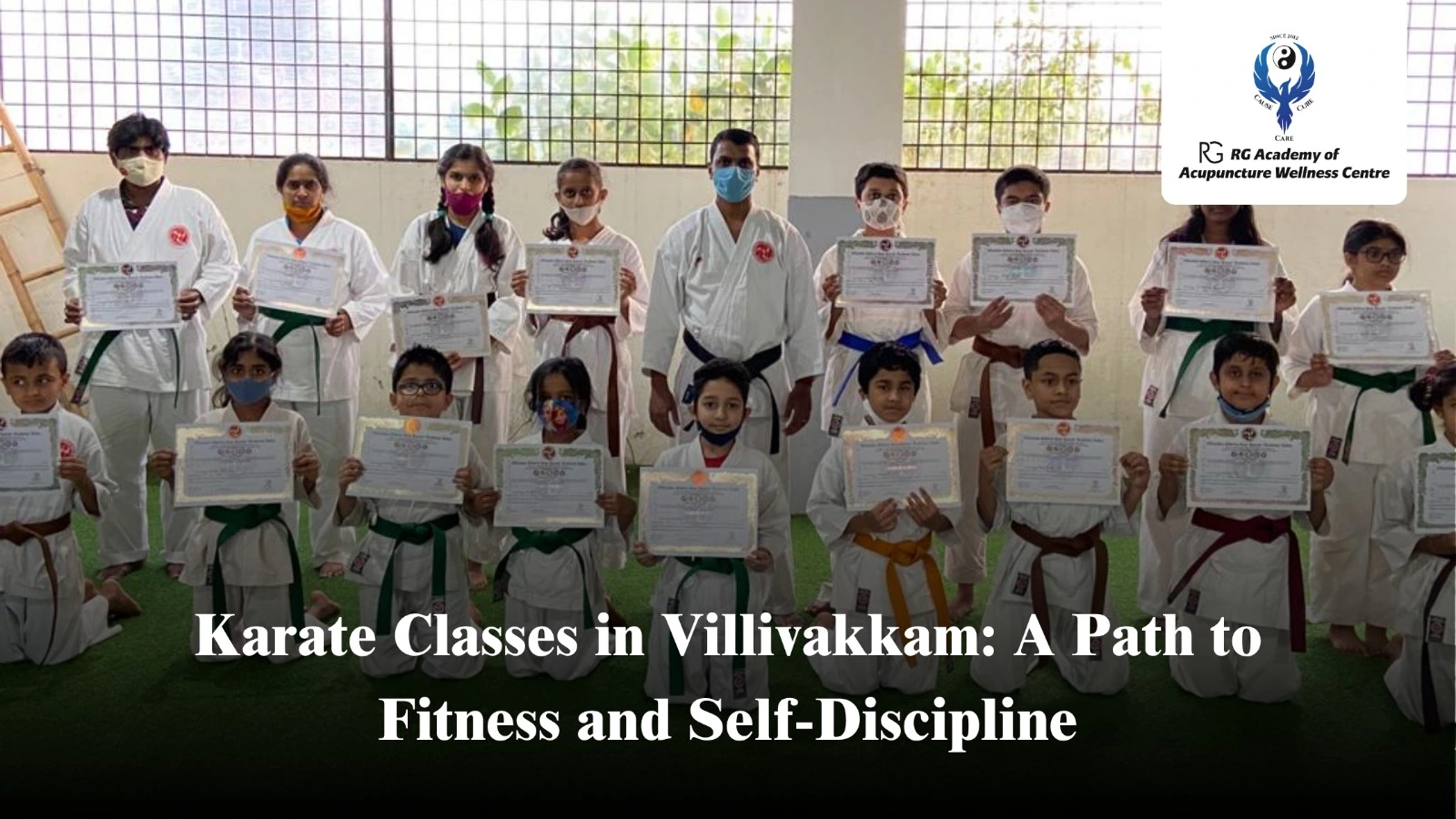
How karate helps build discipline and confidence in children

How Karate Teaches Children the Meaning of Discipline

Following Instructions and Respecting Others

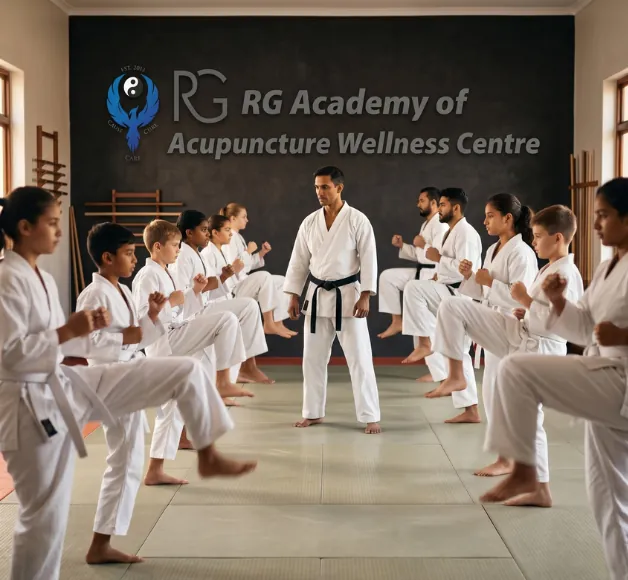
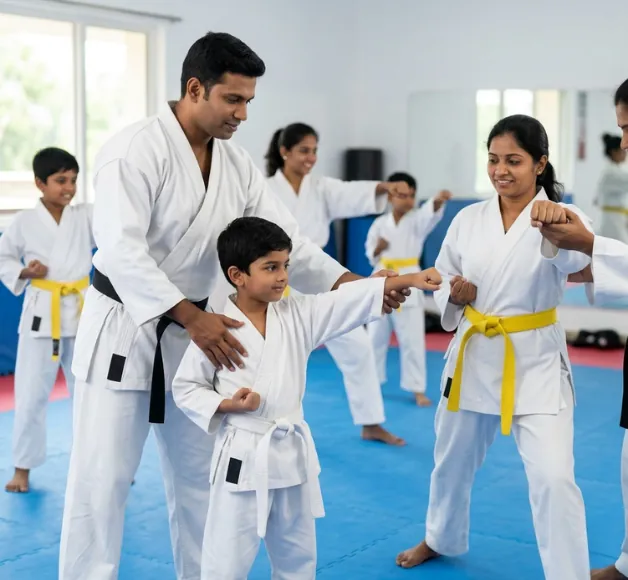
Karate lessons follow a structured routine. Children listen to their instructor, warm up, practise movements and wait for their turn. They learn that instructions have a purpose and that paying attention helps everyone train safely.

Martial arts training can also encourage respect through everyday interactions. Children practise listening when someone is speaking, respecting their training partners and following the instructor’s guidance. With regular practice, these habits can support them in other areas of life.

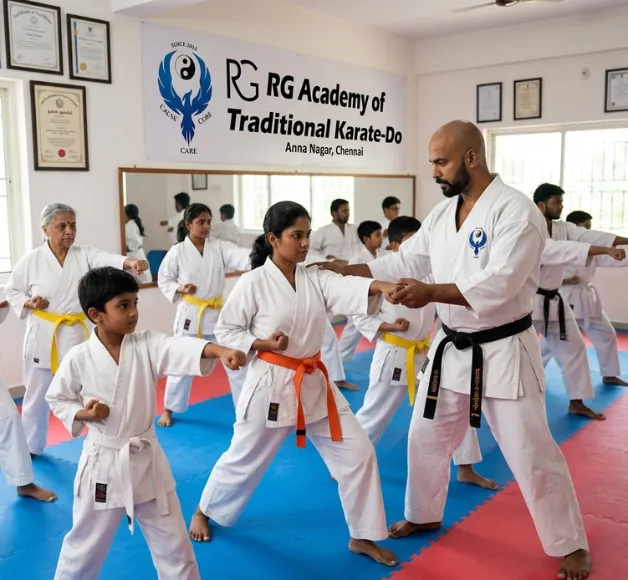
Parents interested in RG Academy’s karate training in Anna Nagar can explore the available training information.

Learning Patience Through Regular Practice

Children may expect to master a new skill after only a few attempts. Karate gives them a practical way to understand that progress takes time.

When children treat mistakes as opportunities to improve, listen to feedback, adjust their posture and try again, they practise patience and persistence. These lessons may also be useful when they face challenging schoolwork, hobbies or new concepts.

Contact Us
Children learning discipline during karate classes

How Karate Helps Build Confidence

Confidence does not mean being the loudest child in the classroom or getting everything right. It means being willing to participate, try something new and manage unfamiliar situations without immediately assuming failure.

Small Achievements Make a Difference

Learning a new stance, completing a pattern independently or remembering a movement that felt difficult the previous week gives children a genuine reason to feel proud. These experiences help them recognise their own progress.

In Karate Classes for Kids, progress can be measured by learning and consistency rather than by comparing children with one another. Helpful feedback and appreciation of effort can help children develop a more realistic understanding of their abilities.

This can be especially useful for children who feel nervous about trying new activities. They can learn that being a beginner is not something to be ashamed of; it is the start of learning.

Becoming More Comfortable in a Group

Some children feel comfortable meeting new people, while others need time. Karate classes give children opportunities to join a group, follow a shared routine and practise alongside other learners.

Over time, some children may become more comfortable asking questions, demonstrating movements and joining partner drills. Progress differs from child to child, so encouragement should not become pressure.

Contact Us
Kids practising karate techniques with confidence

The Connection Between Karate and Emotional Control

As children grow, they experience disappointment, excitement, frustration and anxiety. Karate can give them opportunities to practise paying attention and following directions when a task feels difficult.

Responding Calmly Instead of Acting Impulsively

During training, children practise self-control and learn to observe what is happening around them. Strength in martial arts is not about behaving violently; it is about using skills responsibly and respecting others.

If a movement is difficult or a mistake occurs, an instructor can guide a child to pause, listen and try again rather than react impulsively. Children should understand that karate techniques must never be used to intimidate or bully other children.

Contact Us
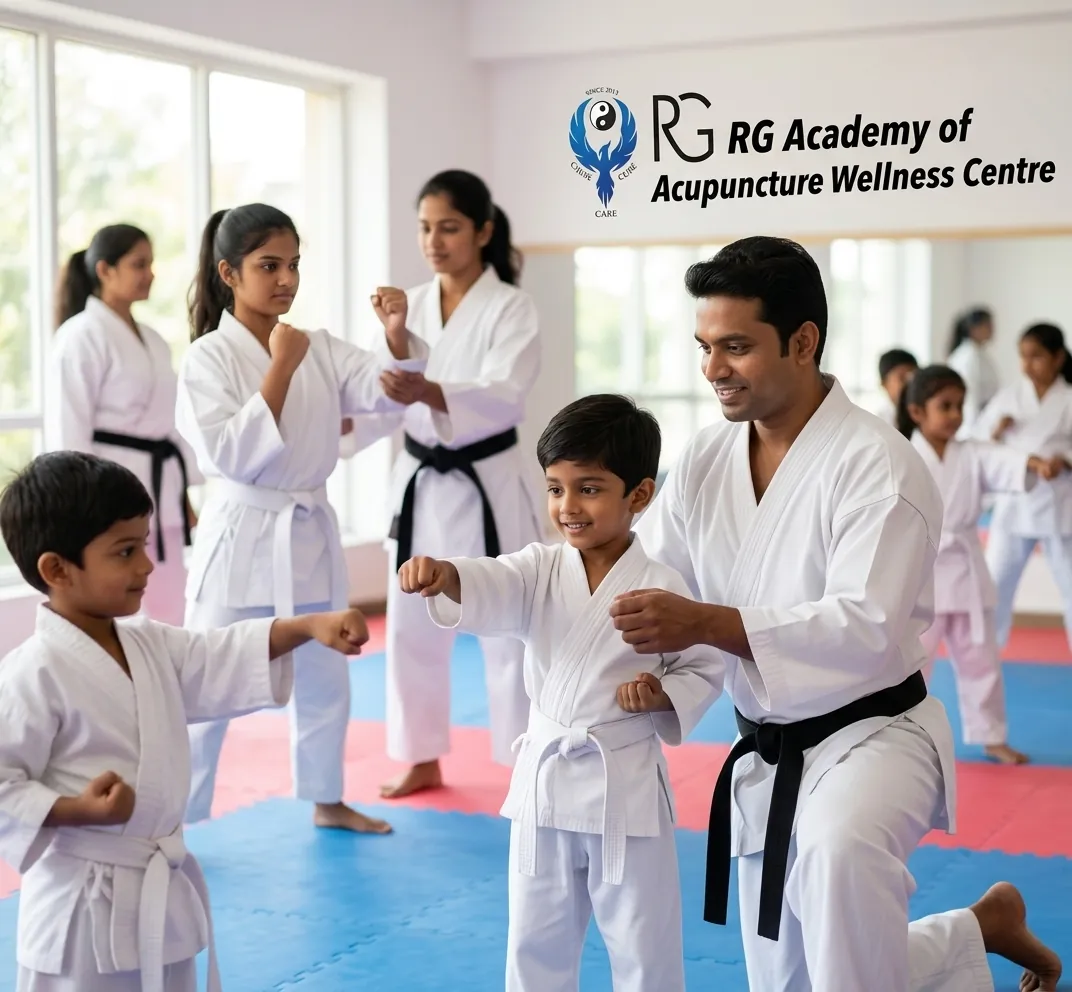
Karate instructor guiding children through safe practice

Can Karate Help Children Focus Better at School?

Karate asks children to listen, remember movement sequences, watch demonstrations and coordinate their actions. This allows them to practise concentration in a setting outside the classroom.

Practising Attention and Memory

Remembering a sequence involves understanding what comes next and maintaining the correct posture. When a child loses track, they may need to ask for instructions again and repeat the sequence.

Regular practice can help children get used to paying attention to a task. These habits may be useful for activities such as homework that involve several steps. However, karate should not be treated as a guaranteed solution for school difficulties or concentration problems. Every child learns differently, and academic performance is influenced by many factors.

Contact Us
Children concentrating while practising karate

Physical Activity and Self-Defence Go Hand in Hand

Along with discipline and confidence, parents often want their children to stay active and develop physical skills. Karate combines movement with coordination, balance, body control and awareness.

Developing Coordination and Body Awareness

Karate practice includes stances, movement techniques, balance and controlled actions. These activities help children learn how their bodies move and how different actions work together.

Training difficulty should match each child’s age and experience. Parents should consider these factors when choosing a class.

Understanding Personal Safety

Self-defence lessons can help children recognise uncomfortable situations, stay aware, set boundaries and ask for help when needed. Techniques are only one part of personal safety.

Parents should remind children that they do not need to prove their strength during an argument. Leaving an unsafe situation and telling a trusted adult are appropriate responses. When choosing a class, look for instructors who teach safe behaviour alongside techniques.

Contact Us
Children learning controlled karate movements

What Parents Should Look for in a Karate Class

The instructor and learning environment matter as much as the activity itself. Children are more likely to ask questions, accept feedback and continue practising when they feel supported.

Before enrolling, consider the following points:

  • Instructor approach: Look for patient explanations, clear demonstrations and age-appropriate guidance.
  • Class environment: Children should be treated respectfully, without humiliation or unnecessary pressure.
  • Safety practices: Ask about supervision, warm-ups, protective equipment where appropriate and partner-exercise rules.
  • Learning progression: Beginners should have time to understand the basics before moving to more demanding techniques.
  • Practical arrangements: Check class timings, attendance expectations, fees and whether a trial session is available.

A suitable class should challenge children while helping them understand that mistakes are a normal part of learning.

Parents can explore the karate class in Villivakkam to learn more about available training options. Choose a class based on your child’s needs and the teaching approach rather than promises of instant results.

You can also visit the RG Academy website to learn about its activities and send an admission enquiry through the contact page.

Contact Us
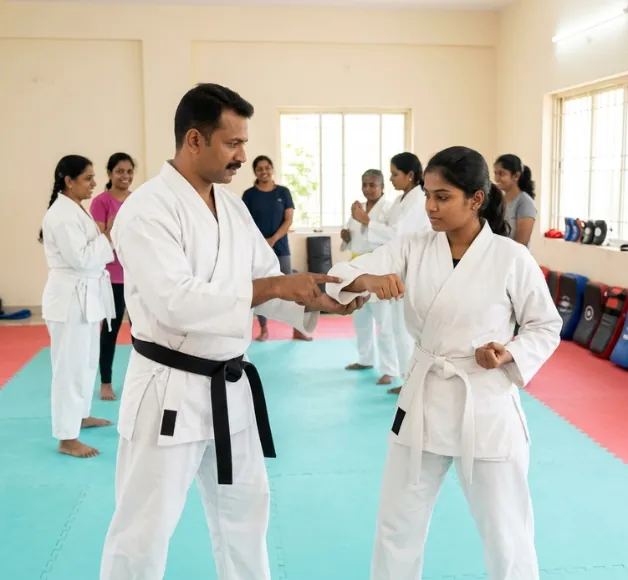
Instructor teaching children karate in a supportive class

How Parents Can Reinforce Karate Lessons at Home

Children can benefit when the habits they practise in class are supported at home. Parents do not need to teach karate techniques; small everyday actions can reinforce the lessons.

  • Encourage your child to finish one activity before starting another.
  • Recognise effort, patience and responsibility, not only the final result.
  • Give your child time to talk about mistakes before correcting them.
  • Help set realistic goals, such as remembering a technique or attending lessons regularly.
  • Encourage respect for siblings, classmates, teachers and children with different abilities.

If progress feels slow, avoid comparing your child with another student. Instead, talk about what felt difficult and what they would like to practise next.

Some of the most meaningful achievements may not happen during a grading test. They can show up when a child tries again, completes a responsibility or handles a disagreement more thoughtfully.

Contact Us
Young karate students practising and learning together

Conclusion

Karate offers children more than physical exercise. With regular practice, they have opportunities to develop patience, follow instructions, respect others, manage frustration and recognise personal achievements. Parents and coaches can work together to encourage responsible behaviour.

When choosing Karate Classes for Kids, look for quality instruction, a safe training space and an environment where your child feels comfortable. Do not expect a child to change overnight or to stop feeling nervous or making mistakes.

The goal is to help children become more willing to face challenges, learn from mistakes and keep moving forward.

Contact Us
Children taking part in a karate class
Frequently Asked Queries

Frequently Asked Questions

The age when a child can start learning karate depends on their development and the academy's program. Ask the instructor which group is suitable for your child's age.

Yes. A supportive class can give shy children opportunities to participate, practise with others and notice their progress. They should be encouraged gradually rather than forced to perform in front of a group.

The ideal frequency depends on the child's age, schedule and the coach's advice. Regular practice that does not leave the child overtired is a good approach.

Karate training should teach discipline, self-control and respect, not aggression. Children should understand that martial arts must not be used to bully others or resolve conflicts.

Karate gives children opportunities to practise listening, patience and consistency. Parents can reinforce these qualities at home by setting clear expectations and encouraging responsible behaviour.

No previous experience is generally required. Many classes teach beginners basic movements before progressing to more advanced techniques. Check the academy's entry requirements before enrolling.

There is no fixed timeline. Some children become comfortable participating quickly, while others may need several months. Progress depends on the child, instructor and learning environment.

Parents should consider the instructor's experience, safety measures, group size, teaching approach, class timings and how respectfully children are treated.
More Services

Learning, Fitness & Wellbeing

Meditation icon

Vipassana Meditation Classes

Mindfulness-based sessions to encourage peace, focus and emotional clarity.

Wellbeing icon

One-Day Health Workshops

Short sessions introducing natural healing and self-care techniques.

Fitness icon

Karate Classes for Kids

Guided martial arts practice that encourages movement, discipline and respect.

Supporting Every Step of the Learning Journey

Practice. Patience. Progress.

Interested in Karate Classes for Kids?

Contact RG Academy to ask about class availability and suitable training options for your child.

Location icon

New No.85, Old No.34/13A, Kavitha Street,

Park Road (Opp to mosque),

Annanagar West Extn, Padi,

Chennai - 600 050

Submit
Karate 22 Oct 2026 1 min read RG Academy
Link copied!