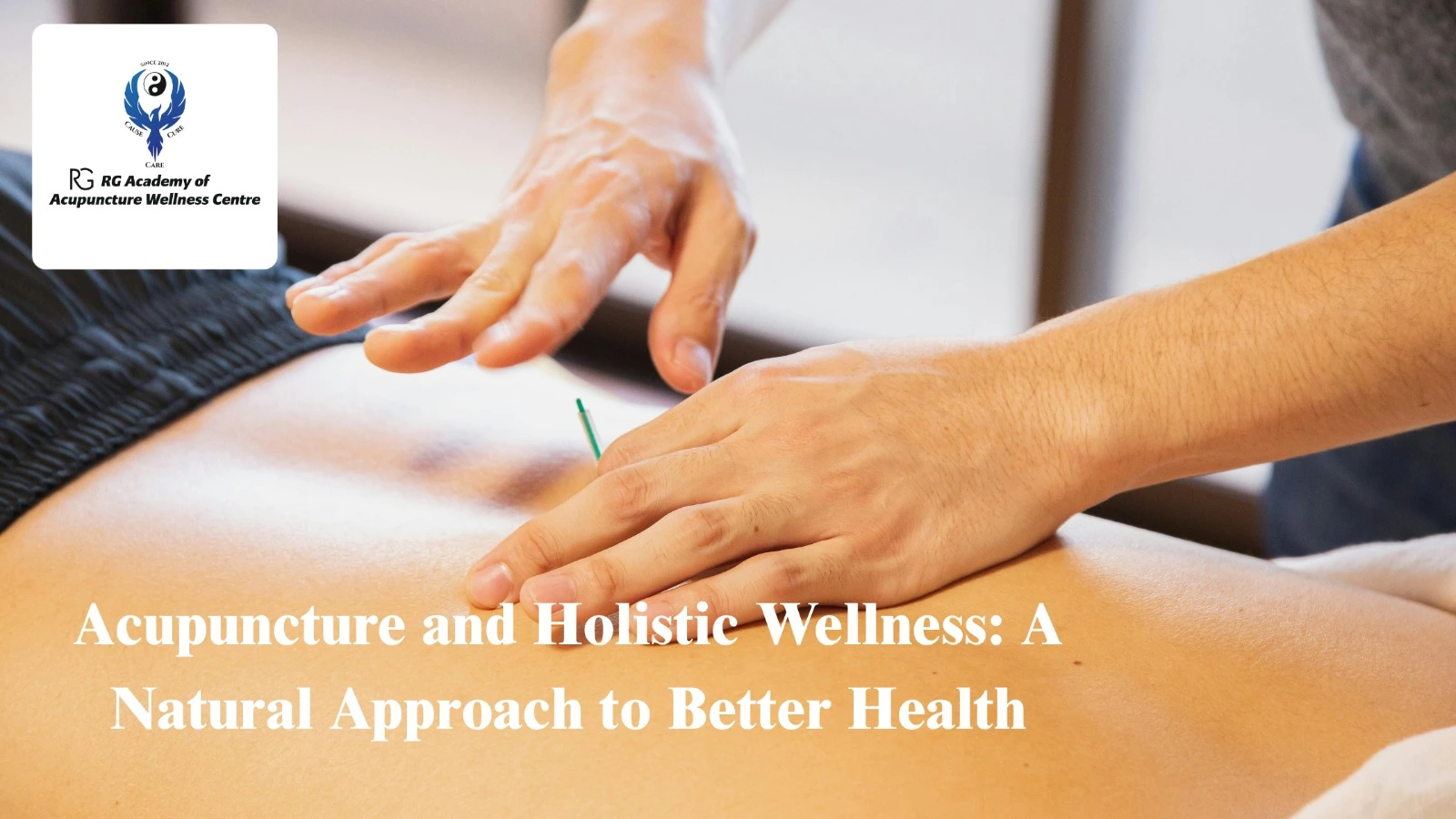
```php Acupressure vs Acupuncture: What Is the Difference?

What Is Acupressure and How Is It Different From Acupuncture?

If you are searching for other approaches to managing pain, stress, or sleep difficulties, you may have come across the terms acupressure and acupuncture. Many people confuse these two practices because both are associated with traditional Chinese medicine and involve specific points on the body.

The main difference is the technique used during treatment. Acupressure involves applying manual pressure, while acupuncture involves inserting very thin needles into specific points.

This guide explains how the two practices differ, their potential applications, and the factors to consider when discussing treatment with a qualified healthcare professional.

Acupressure and acupuncture techniques

What Is Acupressure?

Acupressure is a traditional practice associated with Traditional Chinese Medicine (TCM). A practitioner applies pressure to specific points on the body using the fingers, thumbs, palms, or other appropriate manual techniques.

In traditional Chinese medicine, these points are associated with meridians through which qi, or vital energy, is believed to flow. From a contemporary perspective, the effects of pressure may involve sensory stimulation and muscle relaxation. The evidence for specific benefits varies according to the condition.

Acupressure is commonly explored for relaxation and certain types of discomfort. It does not replace medical assessment or treatment when these are needed.

Enquire About Wellness Services
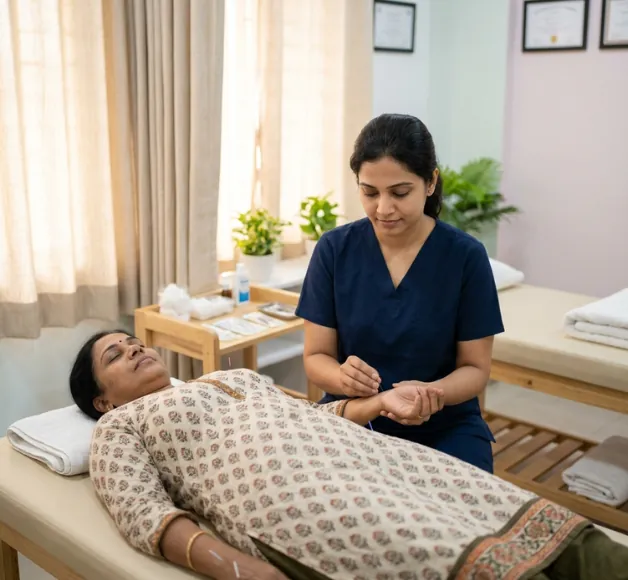
Acupressure treatment using manual pressure

Conditions Commonly Explored With Acupressure

People may seek acupressure as a complementary approach for relaxation and symptom management. Common reasons for exploring this technique include:

  • Tension headaches and neck tightness.
  • Everyday stress and relaxation.
  • Shoulder and back muscle tension.
  • Fatigue and general discomfort.
  • Some digestive symptoms.

Results vary between individuals, and the effectiveness of acupressure depends on the particular symptom or condition.

Because acupressure does not involve needles, some people prefer it when they are uncomfortable with needle-based procedures.

Acupressure points on the human body

What Is Acupuncture?

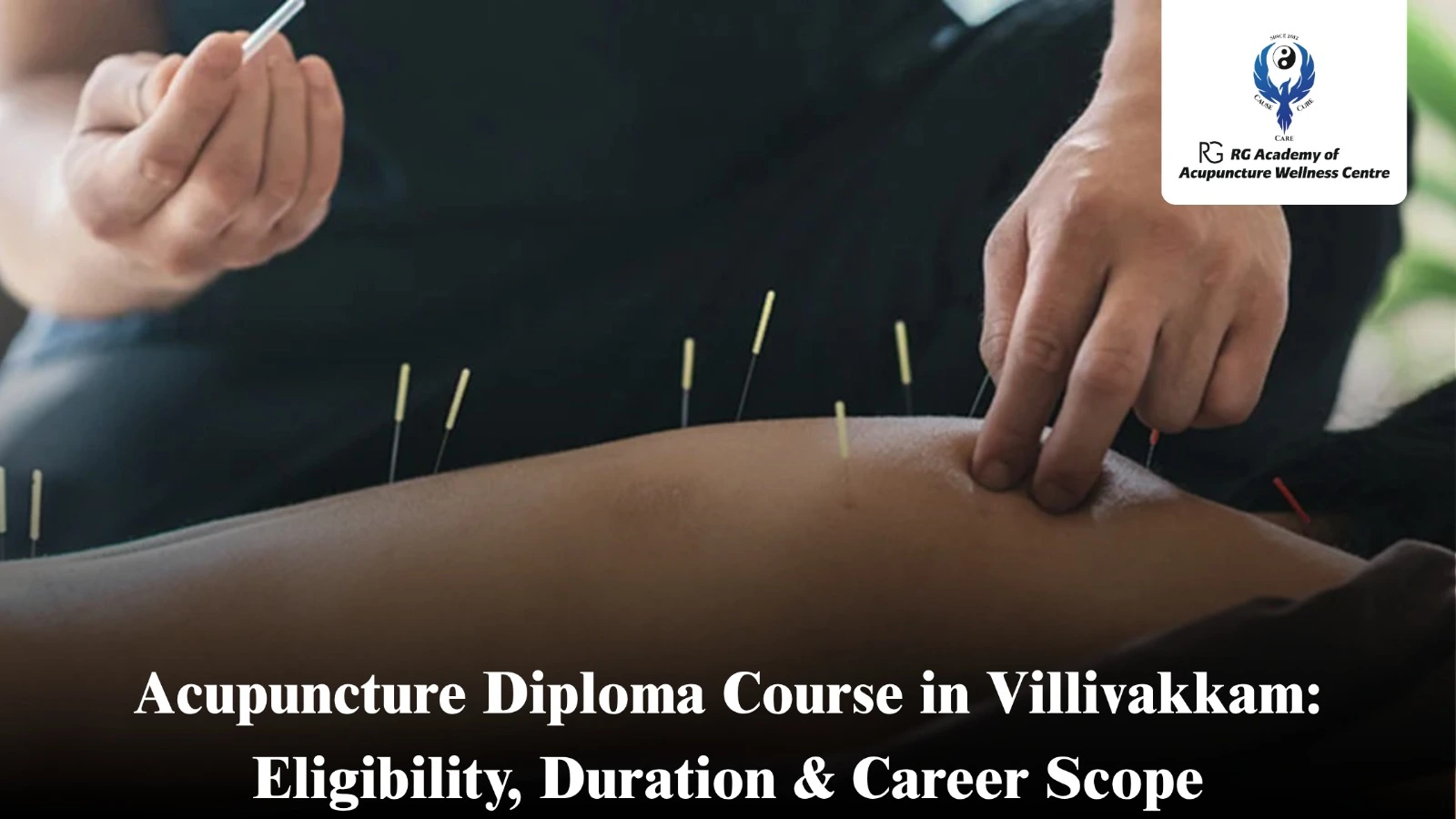
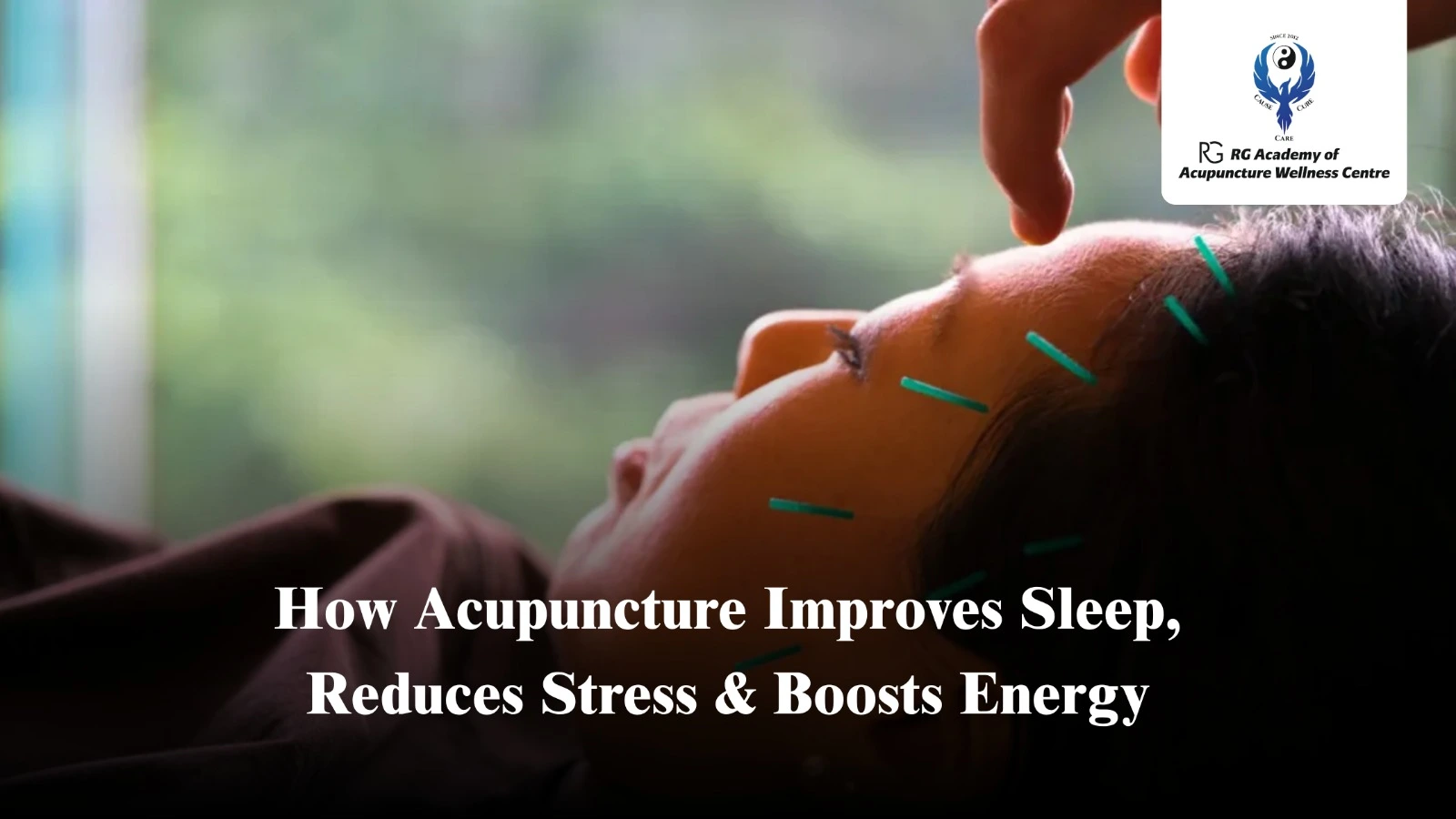
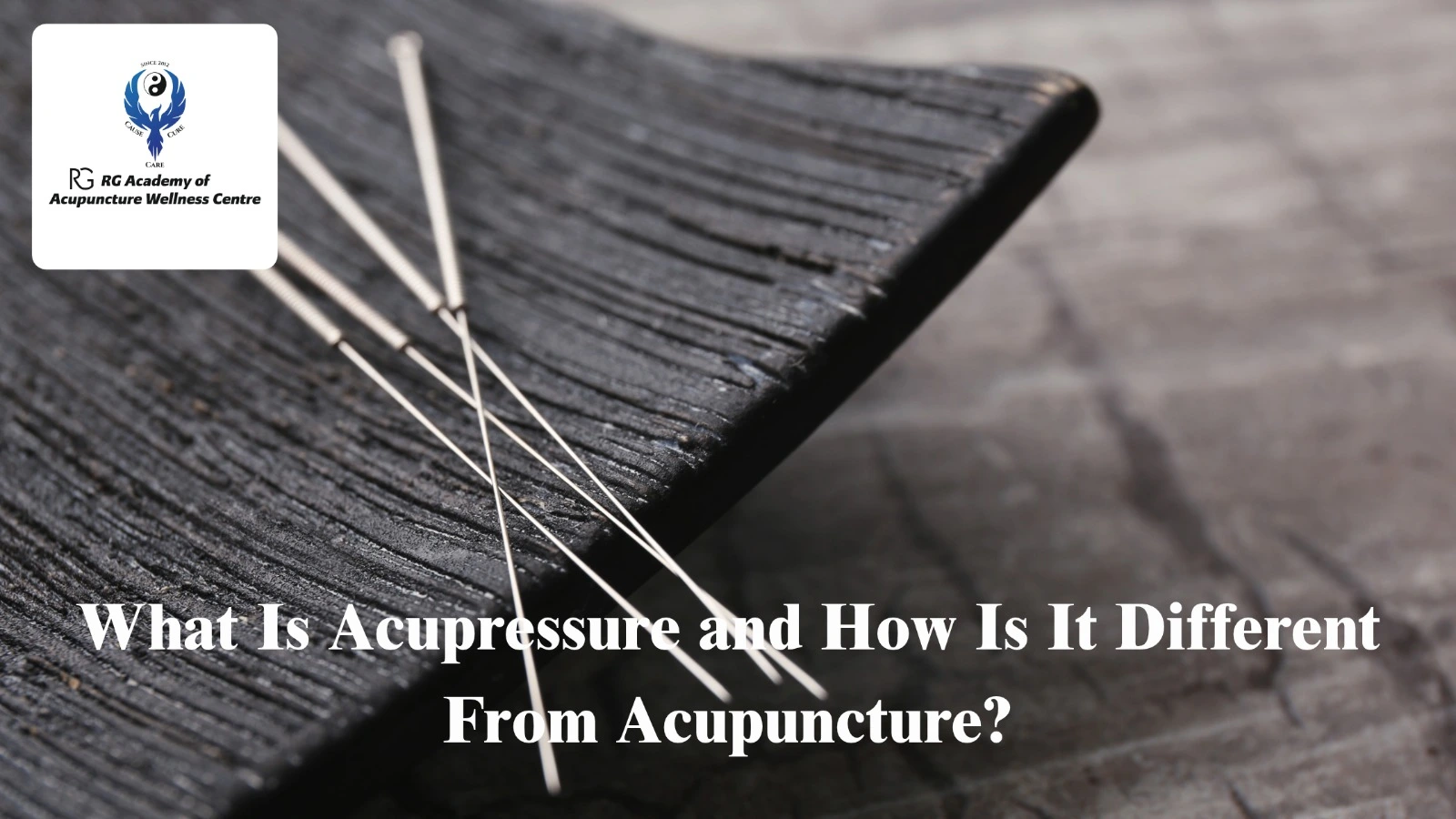
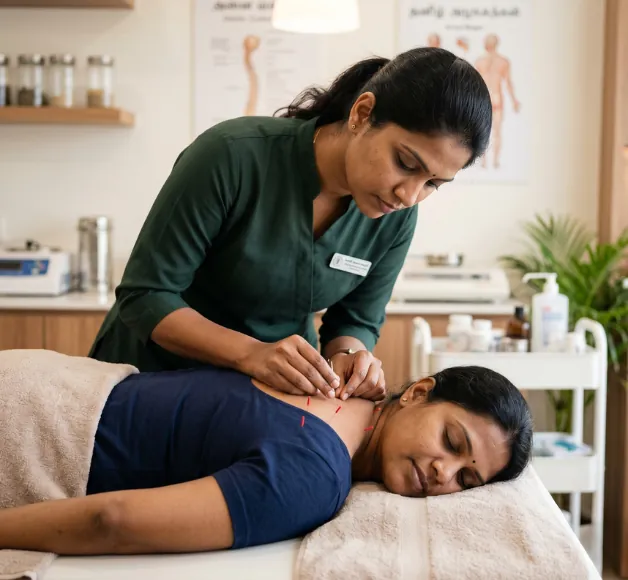
Acupuncture is another practice associated with traditional Chinese medicine. During a session, a trained practitioner inserts very thin, sterile, single-use needles into selected points on the body.

The needles remain in place for a period determined by the practitioner and the treatment plan. Some people experience mild tingling, warmth, pressure, or a temporary dull sensation.

Research suggests that acupuncture may help certain pain conditions. Proposed mechanisms include the stimulation of sensory nerves and changes in pain processing. Its effectiveness varies by condition, and it should not be described as a guaranteed treatment.

People may consider acupuncture for certain types of joint pain, back pain, headaches, sciatica-related symptoms, and other complaints after appropriate medical assessment.

Enquire About Acupuncture
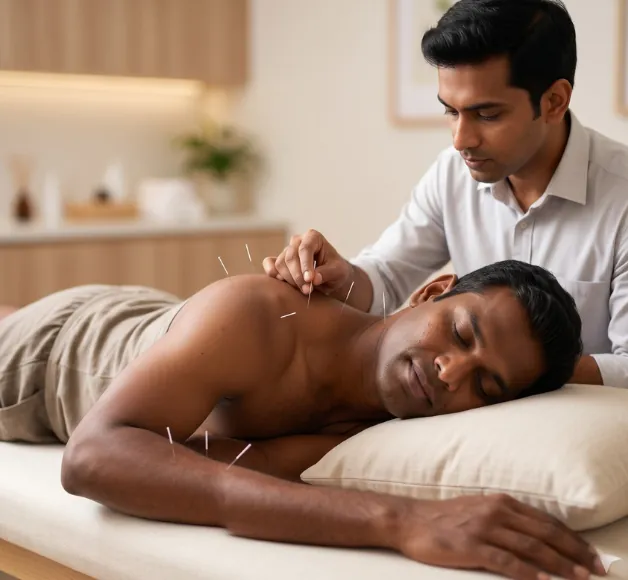
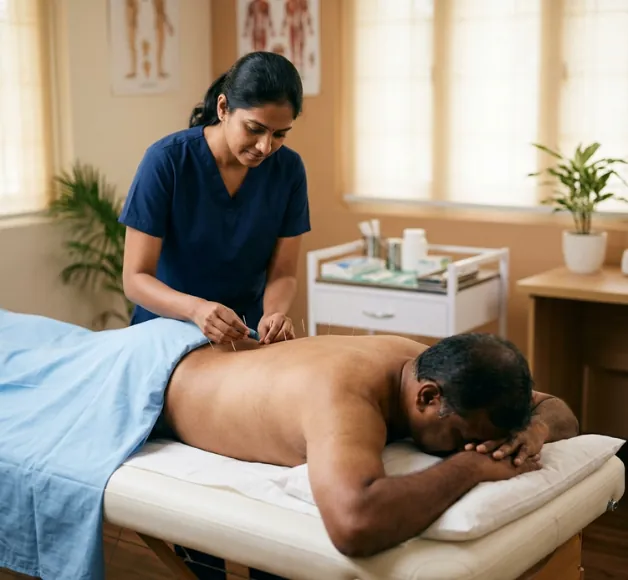
Acupuncture treatment performed by a practitioner

Acupressure vs Acupuncture: The Key Differences

Although both approaches use specific points associated with traditional Chinese medicine, their methods and practical requirements differ. The following table summarises the main differences.

Factor Acupressure Acupuncture
Technique Manual pressure using fingers, thumbs, or palms. Fine, sterile needles inserted at selected points.
Skin penetration No skin penetration. Needles penetrate the skin; depth depends on the point and treatment.
Who performs it? A trained practitioner. Basic self-care techniques may be possible after appropriate guidance. An appropriately trained and qualified practitioner.
Sensation Pressure or mild tenderness around the selected point. Mild tingling, warmth, pressure, or temporary soreness may occur.
Common reasons for use Relaxation, muscle tension, and some types of discomfort. Certain pain conditions and other symptoms for which evidence supports its use.
Self-application Some basic techniques may be practised after guidance. Needle insertion should not be attempted without appropriate professional training.
Treatment session Pressure is applied manually for an appropriate period. Needles are inserted and retained for a period determined by the practitioner.

What Do Acupressure and Acupuncture Have in Common?

Despite their differences, acupressure and acupuncture share several characteristics. Both practices are associated with traditional Chinese medicine and use specific points identified within traditional treatment systems.

  • Both are associated with traditional Chinese medicine.
  • Both involve stimulating specific points on the body.
  • Both may be explored as complementary approaches to managing certain symptoms.
  • Both should be considered alongside appropriate healthcare when necessary.
  • Both require attention to safety and individual circumstances.

Neither approach should be assumed to work equally well for every person or condition.

Similarities between acupressure and acupuncture

How Do You Choose Between Acupressure and Acupuncture?

There is no single answer to which approach is better. The decision depends on your symptoms, medical history, comfort level, treatment preferences, and professional advice.

Acupressure May Suit Your Preferences If You:

  • Prefer a technique that does not involve needles.
  • Want to explore manual pressure for relaxation or mild muscle tension.
  • Would like to learn suitable basic self-care techniques.
  • Prefer a non-invasive approach, provided pressure is appropriate for your condition.

You May Consider Acupuncture If You:

  • Have a condition for which acupuncture may offer evidence-supported benefits.
  • Want to discuss needle-based treatment with a qualified practitioner.
  • Have already discussed your symptoms and treatment options with a healthcare professional.
  • Understand the possible benefits, limitations, and risks of treatment.
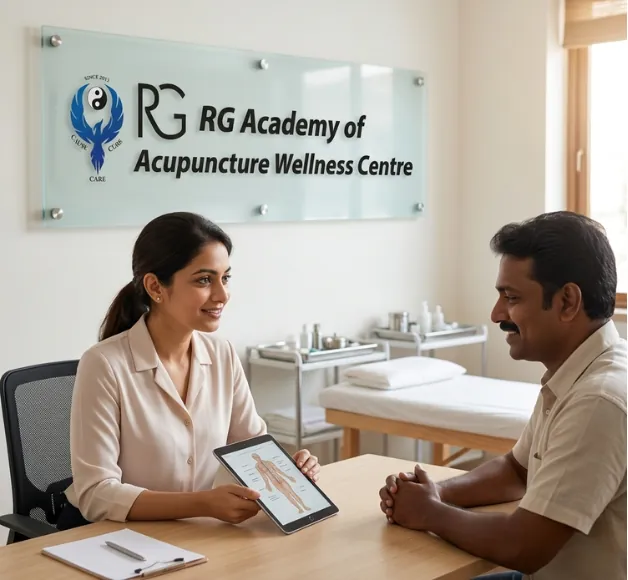
Professional acupuncture consultation

Safety Considerations for Acupressure and Acupuncture

Both approaches require appropriate care. Before beginning treatment, discuss your health history and concerns with a qualified healthcare professional.

  • Share your medical history: Tell your practitioner about medical conditions, medications, bleeding disorders, and pregnancy.
  • Use sterile needles: Acupuncture must be performed with sterile, single-use needles by an appropriately trained practitioner.
  • Avoid unsuitable pressure: Do not apply pressure over injured, inflamed, infected, or otherwise sensitive areas without appropriate guidance.
  • Take extra care during pregnancy: Discuss the suitability of either practice with a qualified healthcare professional.
  • Seek medical assessment: Neither therapy should replace appropriate diagnosis or prescribed treatment.
  • Understand the limitations: Evidence of effectiveness differs between conditions, and results vary among individuals.

Seek urgent medical attention for severe or sudden pain, high fever, unexplained symptoms, or other signs of a potentially serious condition.

Safe and professional acupuncture practice

Learn Acupuncture and Wellness at RG Academy

RG Academy of Acupuncture & Wellness Centre in Chennai provides wellness services and learning opportunities for people interested in traditional therapeutic approaches.

Those interested in professional education can enquire about available acupuncture diploma courses in Anna Nagar and Villivakkam. Ask the academy about the curriculum, practical training, eligibility, course duration, and certification details.

Depending on the available programme, training may introduce learners to traditional Chinese medicine concepts, meridians, point identification, treatment principles, and relevant safety practices.

Acupuncture involves skin penetration and requires appropriate practical training, infection-control knowledge, and compliance with applicable professional requirements.

Enquire About Courses
Acupuncture and wellness professional training

Explore Wellness Services in Chennai

People looking for complementary wellness services can contact RG Academy to enquire about available treatments, including acupuncture in Anna Nagar and Ashok Nagar, acupressure, reflexology, colour therapy, and touch therapy for children.

Service availability, suitability, and treatment recommendations should be confirmed directly with the academy and discussed with an appropriate healthcare professional.

To learn more about available services and training programmes, contact RG Academy using the details provided below.

Contact RG Academy

Conclusion: Acupressure vs Acupuncture

Acupressure and acupuncture are two traditional practices that use different techniques to stimulate specific points on the body. Acupressure uses manual pressure without penetrating the skin, whereas acupuncture uses fine needles inserted by a trained practitioner.

Acupressure may appeal to people who prefer a needle-free approach to relaxation and certain types of discomfort. Acupuncture may be considered for selected conditions where research supports its use. Neither approach is universally better, and outcomes depend on the condition and the individual.

If you are considering treatment, consult an appropriate healthcare professional to understand the available options and relevant safety precautions.

For information about acupuncture services and training opportunities, contact RG Academy at +91 98414 96039 or visit rgacademy.net .

Disclaimer: This article is intended for informational purposes only. It does not replace professional medical advice, diagnosis, or treatment.

Frequently Asked Questions

FAQs About Acupressure vs Acupuncture

Find answers to common questions about acupressure, acupuncture, their differences, safety, and professional training.

Acupressure is a traditional therapeutic practice that involves applying pressure to specific points on the body using fingers, thumbs, or other appropriate techniques. It is commonly used to promote relaxation and may help relieve certain types of muscle tension and discomfort.

Acupuncture is a traditional therapy that involves inserting very thin, sterile needles into specific points on the body. It is practised by appropriately trained professionals and may help manage certain types of pain and other symptoms, depending on the condition.

The main difference is the technique used. Acupressure applies physical pressure to specific points, while acupuncture uses fine needles. Both practices are rooted in traditional Chinese medicine, but their methods, training requirements, and applications differ.

Acupressure is generally non-invasive and should not cause significant pain. Some pressure points may feel tender, but excessive pressure should be avoided, especially around injured or sensitive areas.

Acupuncture typically involves minimal discomfort when performed by an appropriately trained practitioner. Some people may experience mild tingling or temporary soreness. It should always be performed using sterile, single-use needles.

Learning these traditional practices can help students understand pressure points, basic therapeutic techniques, and holistic wellness approaches. Professional training is important, particularly for acupuncture, which requires specialised practical skills and safety knowledge.

People interested in traditional healing can contact RG Academy to enquire about available acupuncture and wellness courses, eligibility, course duration, practical training, and certification details.

Neither method is universally better. The appropriate option depends on the individual's needs, health condition, and preferences. Consult a qualified healthcare professional to determine suitable treatment options.

If you are interested in acupuncture and natural healing, contact RG Academy to enquire about available training programmes, course schedules, and admission details in Chennai.

Yes. Professional training is essential to understand anatomy, hygiene, needle safety, contraindications, and appropriate techniques. Acupuncture should only be performed by appropriately trained practitioners in accordance with applicable regulations.
Explore Our Services

Acupuncture and Wellness Services

Acupuncture services

Acupuncture

Enquire about acupuncture services and discuss whether this approach may be appropriate for your needs.

Enquire Now
Acupressure services

Acupressure

Learn about manual pressure techniques used in traditional wellness practices and their potential applications.

Learn More
Acupuncture training programmes

Acupuncture Courses

Contact RG Academy to enquire about available training programmes, practical sessions, and admission requirements.

Enquire About Courses

Contact RG Academy

Contact RG Academy to enquire about acupuncture services, acupressure, wellness treatments, and available professional training programmes.

Location

New No.85, Old No.34/13A, Kavitha Street,

Park Road (Opp to mosque),

Anna Nagar West Extension, Padi,

Chennai - 600050

Acupuncture 30 Oct 2026 9 min read RG Academy
Link copied!
```